


Tips for Real Climate Impact
Melina Evangelidi, 16 May 2026
Climate change often feels too big for individual action. But real impact doesn’t always come from large-scale changes. It often begins with small, everyday choices.
Here’s some tips:
Rethink what you consume
One of the most powerful ways to reduce our environmental impact is by rethinking how we consume.
Today’s lifestyle often encourages us to buy more than we actually need, from fast fashion to unnecessary products. However, studies show that consumption, especially in areas like food, transport, and housing is one of the main drivers of environmental damage.
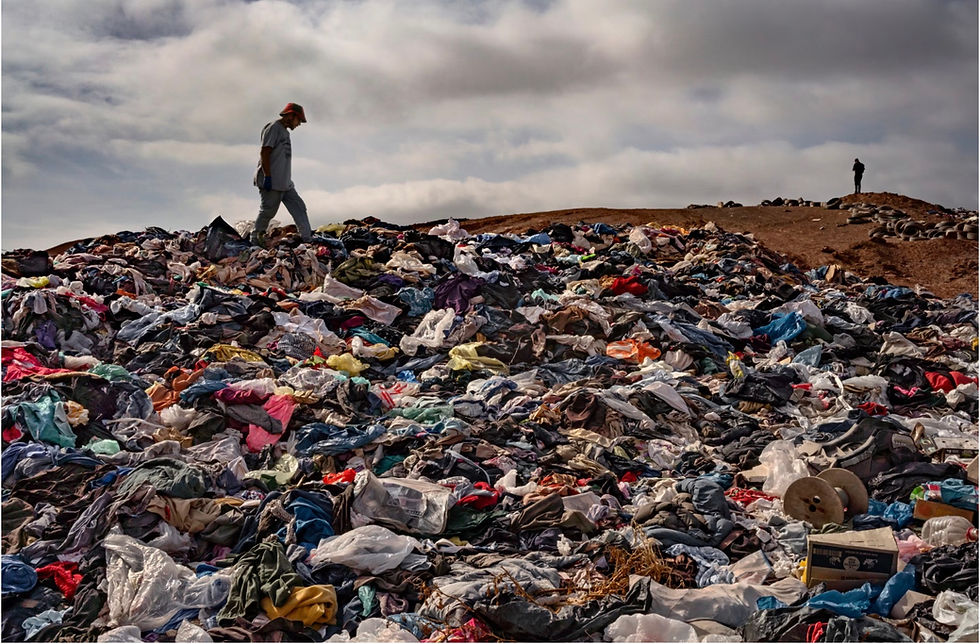
For example, many clothing items today are only worn once or twice before being discarded, showing how overconsumption has become part of everyday life. A large amount of these clothes end up in landfills or are dumped in places like Chile’s Atacama Desert, creating serious environmental damage and pollution.
This means that small changes in what we buy and how often we buy it can make a real difference. Choosing to consume less, avoiding waste, and being more mindful about everyday decisions can reduce our impact more than we think.
Support local action
Supporting local actions is an important step toward creating real climate impact. Local initiatives, community projects, and volunteering opportunities allow people to take action in a more direct and meaningful way.
Whether it’s participating in clean-up efforts, supporting local environmental groups, or joining community events, these actions help build stronger and more connected communities.
Through my own involvement with Fridays for Future, I have seen how local action can bring people together and create meaningful conversations around climate issues. Writing articles showed me that even small contributions can help raise awareness and inspire others to care.
This is also closely linked to climate justice. Not all communities are affected by climate change in the same way, and local action can help support those who are more vulnerable. By getting involved at a local level, individuals can contribute not only to environmental protection, but also to creating fairer and more resilient communities.

Stay informed
Awareness is indeed a form of action.Staying informed is an essential part of creating real climate impact. In a world where misinformation and ignorance can slow progress, choosing to stay aware is already a meaningful step.
Follow reliable sources
Stay updated through trusted organizations and platforms that provide accurate information about climate issues.
Engage with youth movements
Follow and support youth-led initiatives that raise awareness and inspire action.
Engage with youth movements
Take time to understand the causes and impacts of climate change, even through small steps like reading articles or watching short videos.
Awareness is not passive. The more informed we are, the more capable we are to make conscious decisions that protect the environment.
Use your voice
One of the most powerful tools for creating change is your voice. Speaking about climate issues, even in small everyday conversations, can raise awareness and influence how others think and act.
You don’t need to be an expert to start. Sharing what you learn, expressing your concerns, or even asking questions can open important discussions.
Whether through writing, social media, or conversations with friends and family, using your voice helps turn awareness into action.
Sources:


I was surprised that in an article about tips for real climate impact there was no mention about animal agriculture being one of the biggest causes of climate change. One of the best ways we can make an impact is by going vegan. Everyone who is interested in combatting climate change should change what's on their plate!